
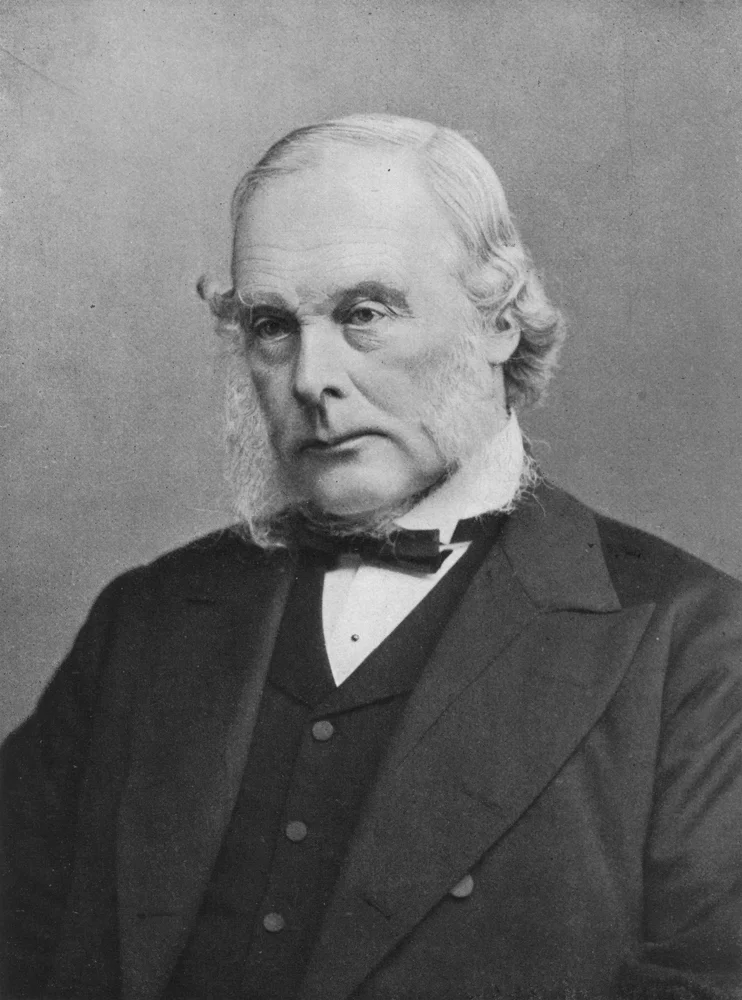
Reading Pasteur, Lister grasped that the deadly suppuration of surgical wounds was not a property of the air itself but of the living germs it carried. He answered them with carbolic acid — on the wound, the dressings, the instruments and his own hands.
The gangrenous wards of Glasgow became houses of healing, and surgery, newly freed from sepsis as it had lately been freed from pain, could at last venture deep into the body.