
Some time around 400 BC, a Greek physician set down a short treatise on the falling sickness — the one disorder the whole world agreed was the touch of a god. He opened by denying it. The illness was no more sacred than a fever, he wrote; its seat was the brain, the organ from which our joys and griefs alike arose, and the healers who treated it with charms were charlatans dressing ignorance as piety. About the workings of the disease he was wrong in nearly every particular. About where to look for it, and who should stand at the bedside, he was right enough to found a science.
The god in the fit
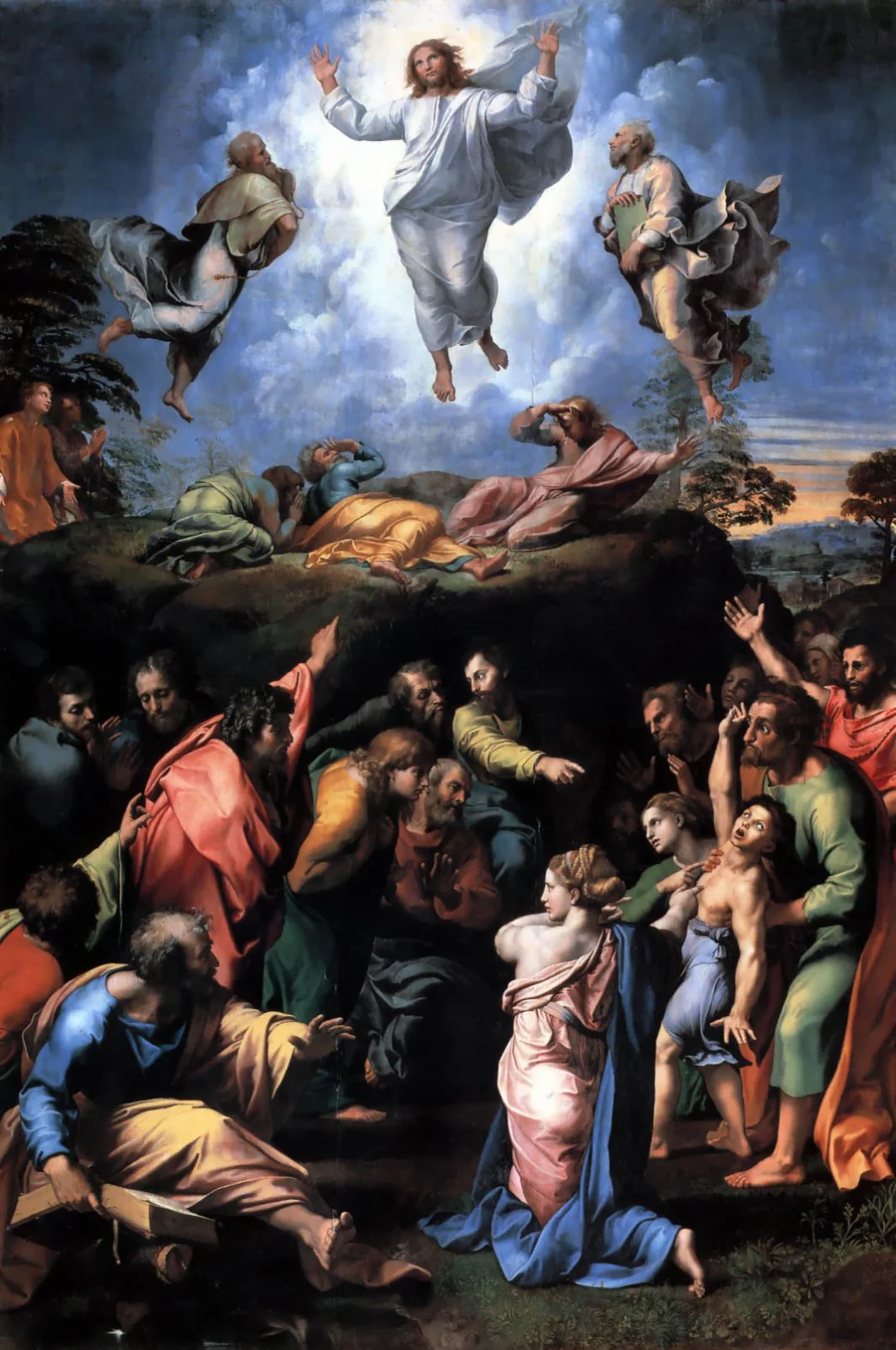
To watch a major seizure is to watch something arrive and take a person away. He cries out, though he is not awake to have meant it. He stiffens, and the whole frame is gripped by a rhythmic violence no act of will began and none can stop; the eyes roll, the jaw locks, froth gathers at the lips. After a minute or two that feels far longer, the storm passes and leaves a stranger behind, slack and remembering none of it.1 It is the most theatrical event in medicine, and for the whole of antiquity it allowed of one reading only. A power not the man’s own had thrown him down.
The Greeks called it the sacred disease, and could tell you which god to blame from the shape of the fit. Teeth ground and the right side convulsed, and the Mother of the gods was named; a sharper, shriller cry meant Poseidon; foam and kicking heels were the mark of Ares, and the terrors that came by night belonged to Hecate.2 The disease was less an illness than a visitation, and the cure followed from the cause. One did not medicate a god. One placated him.
Against the purifiers
The treatise opens as an attack. The men who first called the disease sacred, its author writes, were the conjurors and purifiers and mountebanks of his own day, who “give themselves out for being excessively religious, and as knowing more than other people.”3 Their cures were a theatre of abstentions, with incantations and washings whose chief merit was that they could never be shown to have failed. If the patient recovered, the purifier took the credit; if he died, the god had willed it.4
Against this the author sets a plain and oddly modern logic. If goat’s flesh worsens the disease and abstaining from it helps, the cause lies in the food and not in any god; and the Libyans, who live almost wholly on goats, would otherwise be its chief victims and are not.5 The purifiers’ claim, he argues, is the true impiety: a man who can drive the sickness out by his rites could as well bring it on by them, so that the cause becomes “no longer divine, but human.”6
It is tempting to read this as the clean dawn of reason over superstition, and so it is usually taught. The text repays a warier reading. This was a competitive performance in a crowded market of healers, its author a physician with rivals to discredit and pupils to win; the heat of the polemic is the heat of a man fighting for custom.7 What he contested was not only how to treat the falling sickness but who had the right to read the body when it turned strange. Whoever named the cause could claim the cure, and the fee.
From the brain, and from the brain only
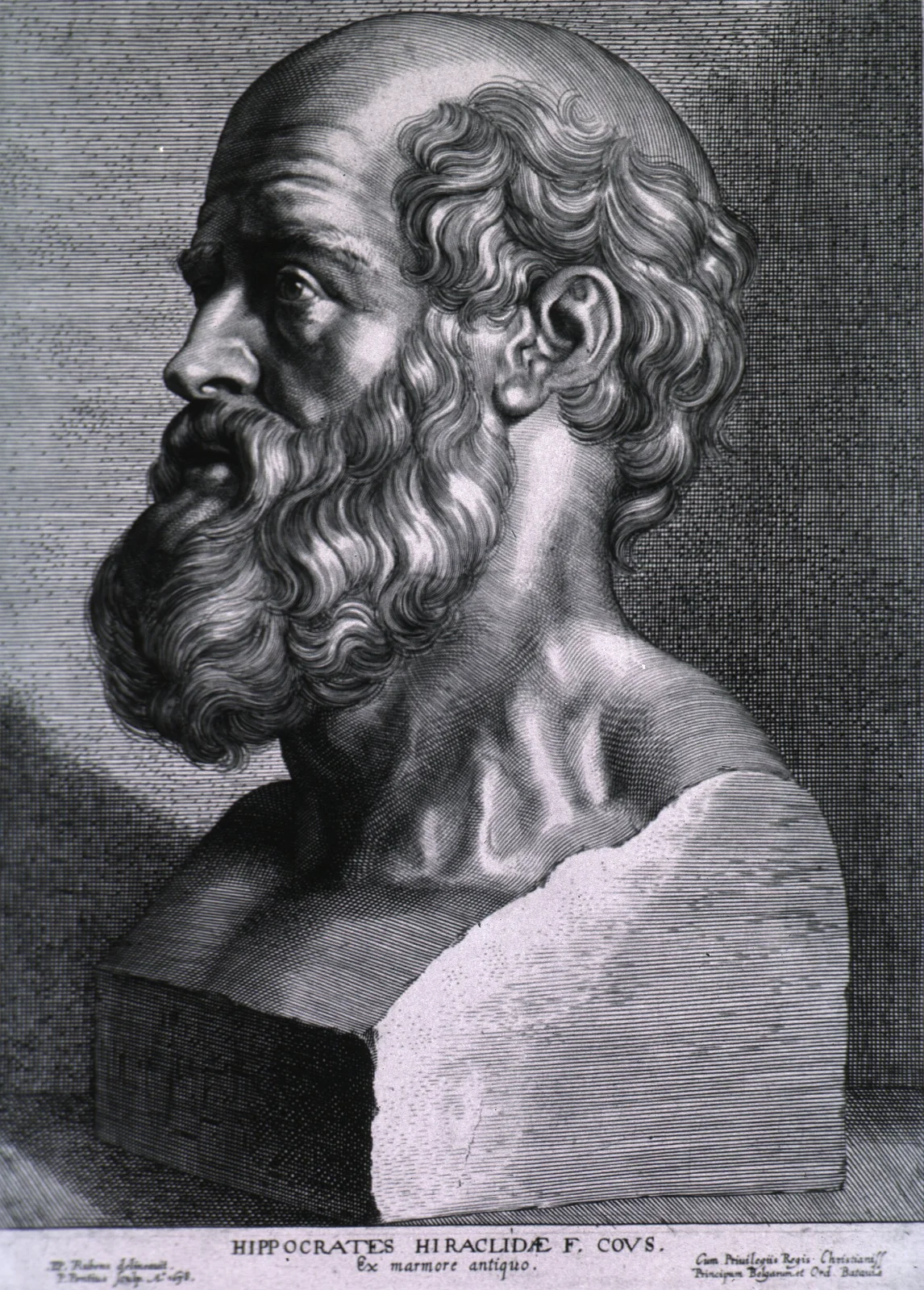
What lifts the treatise above a tradesman’s quarrel is the claim it makes almost in passing. To dislodge the gods the author had to say where the disease truly came from, and his answer was the brain. Not the heart, where his contemporaries lodged the seat of thought and feeling. Not the diaphragm, whose old name implied a share in the mind. The brain, and the brain alone.
“Men ought to know,” he wrote, in the words by which the passage has come down to us, “that from the brain, and from the brain only, arise our pleasures, joys, laughter and jests, as well as our sorrows, pains, griefs and tears.”8 The same organ, he went on, lets us think and see and hear, and fails us when we go mad or are gripped by terror at night. It is as full a statement of the brain as the seat of mind as any before the modern era, written by a man with no notion of a nerve, who thought the brain’s chief work was to secrete phlegm.
He had looked, too, which is the other half of what made him new. Cut open the head of a goat dead of the disease (goats suffered it, he had noticed) and see the brain within, wet and swollen and rank. “In this way truly you may see,” he writes, “that it is not a god that injures the body, but disease.”9 The dissection settled nothing about the mechanism, which he had wrong. It established something larger: that the question was one a knife could be put to.
A wrongness as whole as the demons’
For the mechanism he proposed was mistaken in every link. The brain, he held, was a gland that drew off phlegm, the cold wet humour of the body; in the phlegmatic, and he thought the disease hereditary, an excess broke loose and poured down the vessels that carried the breath, damming the air from them.10 A man cut off from his breath this way would lose speech and sense, his limbs convulse, his mouth foam, exactly as the falling sickness showed. A warm south wind, he thought, might loosen the brain and start the flood; a sudden chill could do it by another road.
There is no phlegm that floods the veins, the veins do not carry breath, and no wind melts the brain. Every step is wrong, and wrong about things he had no means to check. Set beside the demons it replaced, the theory is no better as physics: a cold humour stopping the breath is as imaginary as Poseidon. What had changed was not the accuracy of the explanation but its kind. He had traded a supernatural story he could not test for a natural one he could not test either, and in the trade rewritten the rules of what would count, ever after, as an answer.
He had not, on a close reading, abolished the divine at all. Each disease has its own nature and cause, he writes, and on that account “all are divine, and all human.”11 This is subtler than the schoolroom victory of reason over faith. He did not strip the sacred from epilepsy so much as spread it across all nature, until to call one disease the god’s own made no sense. The gods were not expelled. They were made to keep the rules.
The claim that lost
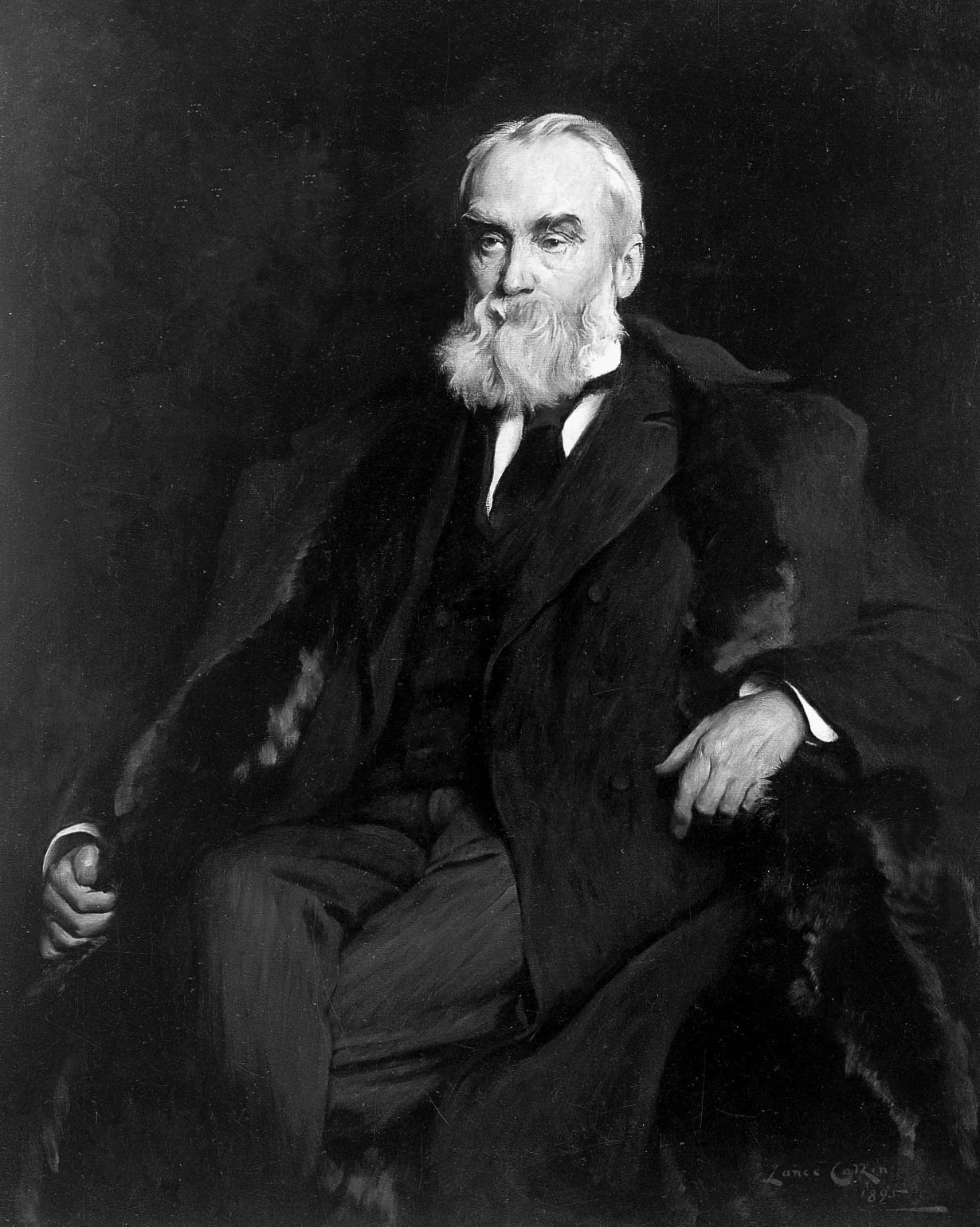
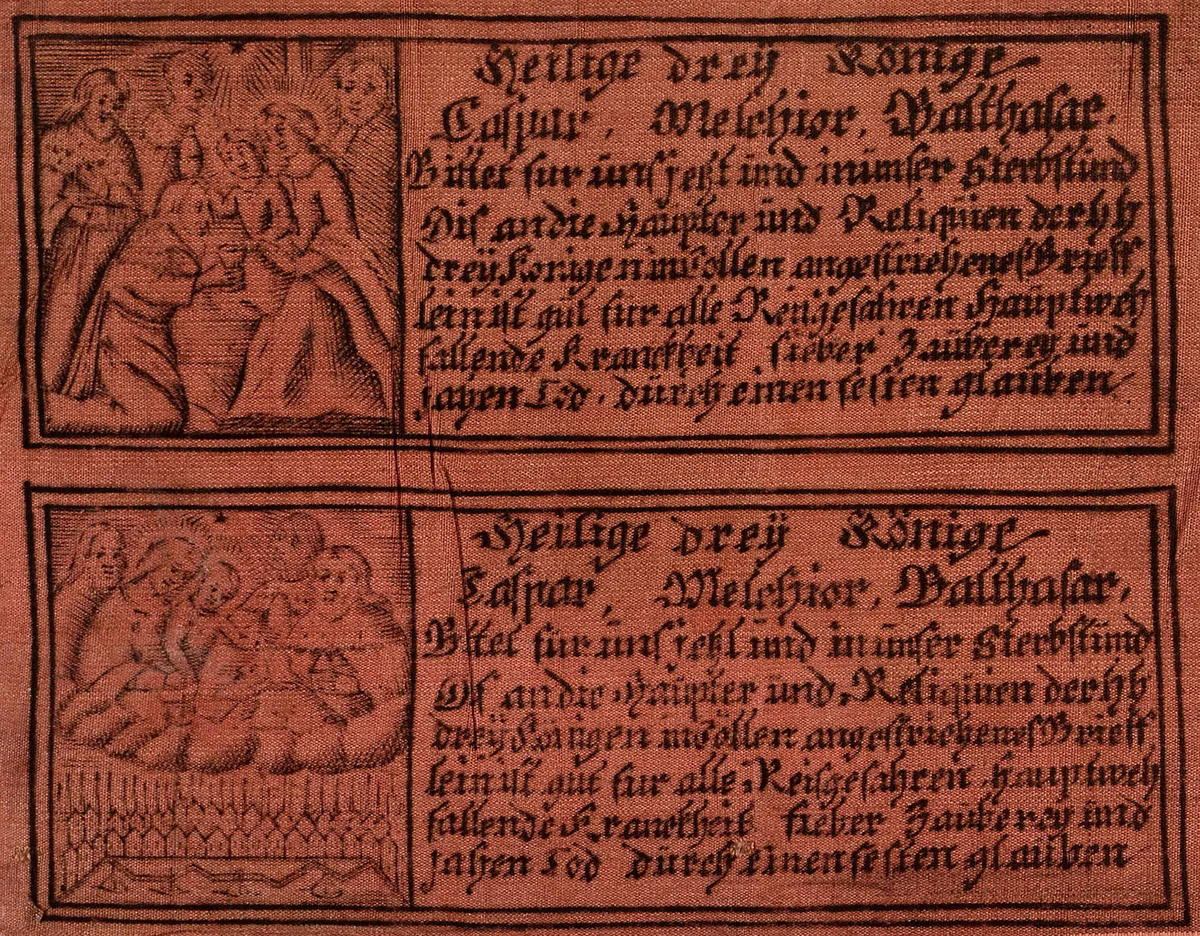
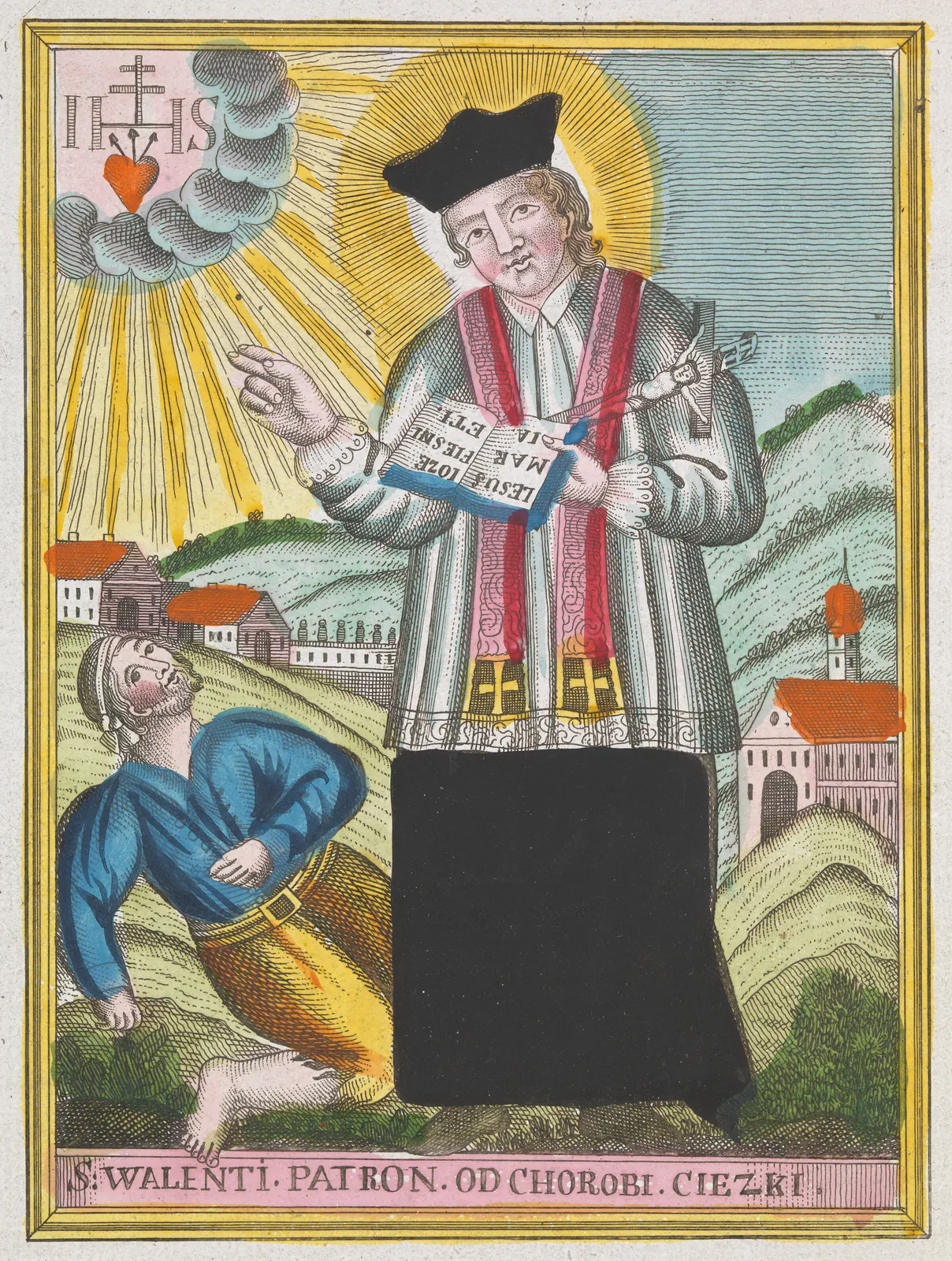
The neat version ends with superstition routed. It did not happen. The rational text was copied, preserved and admired, and for two thousand years changed almost nothing in how the disease was understood or borne.12 Epilepsy stayed the demoniac disease, the affliction the Gospels cast out rather than treated, the badge of the moonstruck and the possessed; exorcism outlived the argument against it by millennia. To write the truth, it turns out, is not to make it prevail.
The author had seen the cost of that, with a clarity that still unsettles me. Those long used to the disease, he wrote, feel a fit coming and flee from company; near home they run indoors, and if not they find a deserted place and cover themselves, doing this “from shame of the affection, and not from fear of the divinity, as many suppose.”13 He had watched his patients hide, and understood that the dread was already hardening into something the sufferer carried inwardly as disgrace. That sentence has aged better than any other in the treatise, because it names the part medicine has been slowest to heal.
Read from the Ward
I have watched this disease at work more times than I can count, and the oldest account of it is still the truest to what I see. A young woman in my clinic stops in the middle of her own sentence and is simply gone — not asleep, not faint, present and absent at once, her eyes open on nothing for a few seconds until she returns and asks why I have stopped writing. A man on the ward arches into the full convulsion the Coan described, and the room fills, even among nurses who have seen a hundred, with the old certainty that something has gripped him from outside. The word that rises unbidden is possession. We have better words. I am not sure we have a truer first impression.
Where the Greeks read a god, I read a discharge. The phrase is not mine; it is John Hughlings Jackson’s, who in the 1870s named the seizure the mark of “occasional, sudden, excessive, rapid and local discharges of grey matter,” and so gave the falling sickness a mechanism that was not imaginary.14 The cortex holds a charge; in a seizure its cells fire together, in a wave the brain never intended, and the body part that cortex governs does whatever it commands — which is why I can read backwards from the convulsing hand to the wronged patch of brain. Half a century on, the discharge was made visible: Berger’s electroencephalogram caught the brain’s electricity on paper in the 1920s, and within a decade the three-per-second waves of a child’s absence were drawn off the scalp, the signature of a god reduced to a tracing a junior doctor learns to read.15
And yet the mechanism is not what I inherit from him. I have discarded every word of his physiology; no phlegm, no stopped breath, no melting brain. What survives undiminished is two things he was first to insist on. One is that the body and its disorders belong to nature and can be known, so that the right response to a fallen man is to look, and to look inside — the gesture his goat’s skull and my scanner have in common. The other is quieter and, I think, larger: that the one who belongs at the bedside of the stricken is the physician, not the priest. That transfer of custody over the strange body is the founding act of my profession, and it was made first as an argument, long before it was ever made as a discovery.
I would not be too pleased with us, though. The Greeks were wrong about the agent and right about the experience, and the experience is the part I cannot wave away. A seizure is, in plain fact, a person briefly evicted from the brain that houses them, taken over by something at once entirely theirs and past their command. To call that an invasion is poor physiology and exact phenomenology. When a family reaches, despite all they know, for the language of possession, they are not being primitive; they are naming what it looks like when the seat of a person is briefly held by a force they cannot govern.
What has not shifted at all is the shame the Coan saw drive his patients into hiding. It still walks into my clinic: the diagnosis kept from an employer, the driving licence quietly surrendered, the patient who would half rather it were a curse than a fault in the one organ they cannot disown. When a seizure ends and the family turns to ask what took him, I am answering a question first put on a Greek island four centuries before Christ — was it a god? I tell them what the oldest book in my trade told its readers: that it was not a god, but the brain, his own brain, and that this is at once the better answer and the harder to carry. He won the argument about the brain within a lifetime, at least on the page. The other argument, the one his patients made by crawling away to fall where no one could see, is still open on my ward; some days I think it was always going to be the one that took the longest.
- On the clinical phenomenology of the generalised tonic-clonic seizure — the cry, tonic rigidity, clonic jerking, foaming and incontinence, then the post-ictal stupor — and its long place at the centre of the disease’s history, see Owsei Temkin, The Falling Sickness: A History of Epilepsy from the Greeks to the Beginnings of Modern Neurology, 2nd ed. (Baltimore: Johns Hopkins University Press, 1971), chap. 1.↩
- Hippocrates, On the Sacred Disease, trans. Francis Adams: the symptoms are referred to the Mother of the gods, Poseidon, Enodia, Apollo Nomius, Ares and Hecate according to the form of the fit. On the Greek naming of the disease and its divine attributions, see Temkin, The Falling Sickness, chaps. 1–2.↩
- Hippocrates, On the Sacred Disease (Adams): those who first called the disease divine were “such persons as the conjurors, purificators, mountebanks, and charlatans,” who “give themselves out for being excessively religious, and as knowing more than other people.”↩
- Hippocrates, On the Sacred Disease (Adams), on the regimen of purifications, dietary abstentions and prohibitions, and the self-protecting logic by which a recovery brought the healer credit while a death was charged to the gods.↩
- Hippocrates, On the Sacred Disease (Adams): were the prohibitions truly the cure, “none of the Libyans, who live in the interior, would be free from this disease, since they all sleep on goats’ skins, and live upon goats’ flesh.”↩
- Hippocrates, On the Sacred Disease (Adams): whoever can drive the disease away “by purifications conjurations” could equally induce it, “so that the cause is no longer divine, but human.” On the inversion by which the purifiers, not the physician, commit the impiety, see Philip J. van der Eijk, Medicine and Philosophy in Classical Antiquity: Doctors and Philosophers on Nature, Soul, Health and Disease (Cambridge: Cambridge University Press, 2005), chap. 1.↩
- On the treatise as a competitive polemic in a crowded market of healers — its rhetoric aimed at discrediting rivals and winning patients and pupils, not at disinterested rationalism alone — see G. E. R. Lloyd, Magic, Reason and Experience: Studies in the Origin and Development of Greek Science (Cambridge: Cambridge University Press, 1979), esp. chap. 1; and Lloyd, ed., Hippocratic Writings (Harmondsworth: Penguin, 1983), introduction.↩
- Hippocrates, The Sacred Disease, trans. W. H. S. Jones, Loeb Classical Library 148 (Cambridge, MA: Harvard University Press, 1923): “Men ought to know that from the brain, and from the brain only, arise our pleasures, joys, laughter and jests, as well as our sorrows, pains, griefs and tears.” The Adams translation renders the same passage “from nothing else but the brain come joys, delights, laughter and sports, and sorrows, griefs, despondency, and lamentations.”↩
- Hippocrates, On the Sacred Disease (Adams): the reader is told to open the head of a goat dead of the disease and find the brain “humid, full of sweat, and having a bad smell,” whereby “you may see that it is not a god that injures the body, but disease.”↩
- Hippocrates, On the Sacred Disease (Adams), on the disease as hereditary, proper to the phlegmatic and not the bilious, and caused by phlegm descending from the brain to dam the air carried by the vessels, with the south wind among its triggers. On the humoral physiology, see Temkin, The Falling Sickness, chaps. 2–3.↩
- Hippocrates, On the Sacred Disease (Adams): the disease is “no more divine than others,” its nature and cause “divine just as much as all others are,” so that “all are divine, and all human.” On this relocation rather than abolition of the divine, see van der Eijk, Medicine and Philosophy in Classical Antiquity, chap. 1.↩
- On the long afterlife of the disease as demoniac — possession, the moon, exorcism and pilgrimage persisting for two millennia after the Hippocratic argument — see Temkin, The Falling Sickness, pts. 2–3.↩
- Hippocrates, On the Sacred Disease (Adams): the habituated sufferer, feeling a fit approach, flees from others to hide, doing so “from shame of the affection, and not from fear of the divinity, as many suppose.”↩
- John Hughlings Jackson defined the seizure as the name for “occasional, sudden, excessive, rapid and local discharges of grey matter”; see Jackson, “On the Anatomical, Physiological, and Pathological Investigation of Epilepsies,” West Riding Lunatic Asylum Medical Reports 3 (1873): 315–49, and the discussion in Temkin, The Falling Sickness, pt. 3.↩
- Richard Caton first detected the electrical activity of the animal brain in 1875; Hans Berger recorded the human electroencephalogram (1924, published 1929); and F. A. Gibbs, H. Davis and W. G. Lennox described the three-per-second spike-and-wave of absence seizures in 1935. See Hans Berger, “Über das Elektrenkephalogramm des Menschen,” Archiv für Psychiatrie und Nervenkrankheiten 87 (1929): 527–70; F. A. Gibbs, H. Davis, and W. G. Lennox, “The Electro-encephalogram in Epilepsy and in Conditions of Impaired Consciousness,” Archives of Neurology and Psychiatry 34 (1935): 1133–48.↩
- Chicago
Kim, D. Y. “On the Sacred Disease.” Codex Chronica, June 29, 2026. https://codexchronica.com/on-the-sacred-disease/.
- APA
Kim, D. Y. (2026, June 29). On the Sacred Disease. Codex Chronica. https://codexchronica.com/on-the-sacred-disease/
- Hippocrates. The Sacred Disease. In Hippocrates, vol. 2, translated by W. H. S. Jones. Loeb Classical Library 148. Cambridge, MA: Harvard University Press, 1923.
- Hippocrates. On the Sacred Disease. Translated by Francis Adams. In The Genuine Works of Hippocrates. London: Sydenham Society, 1849.
- Temkin, Owsei. The Falling Sickness: A History of Epilepsy from the Greeks to the Beginnings of Modern Neurology. 2nd ed., revised. Baltimore: Johns Hopkins University Press, 1971.
- Lloyd, G. E. R. Magic, Reason and Experience: Studies in the Origin and Development of Greek Science. Cambridge: Cambridge University Press, 1979.
- van der Eijk, Philip J. Medicine and Philosophy in Classical Antiquity: Doctors and Philosophers on Nature, Soul, Health and Disease. Cambridge: Cambridge University Press, 2005.
- Jackson, John Hughlings. “On the Anatomical, Physiological, and Pathological Investigation of Epilepsies.” West Riding Lunatic Asylum Medical Reports 3 (1873): 315–349.
- Berger, Hans. “Über das Elektrenkephalogramm des Menschen.” Archiv für Psychiatrie und Nervenkrankheiten 87 (1929): 527–570.
- Gibbs, Frederic A., Hallowell Davis, and William G. Lennox. “The Electro-encephalogram in Epilepsy and in Conditions of Impaired Consciousness.” Archives of Neurology and Psychiatry 34 (1935): 1133–1148.