
He woke from the longest night of his life feeling, by his own account, better than he had in years. For eighteen days Louis Washkansky lived with another person's heart and proved to a watching planet that the thing could be done. Then he died — not of the borrowed heart, which beat on without fault, but of the medicine that kept it his.
The enemy they were armed for
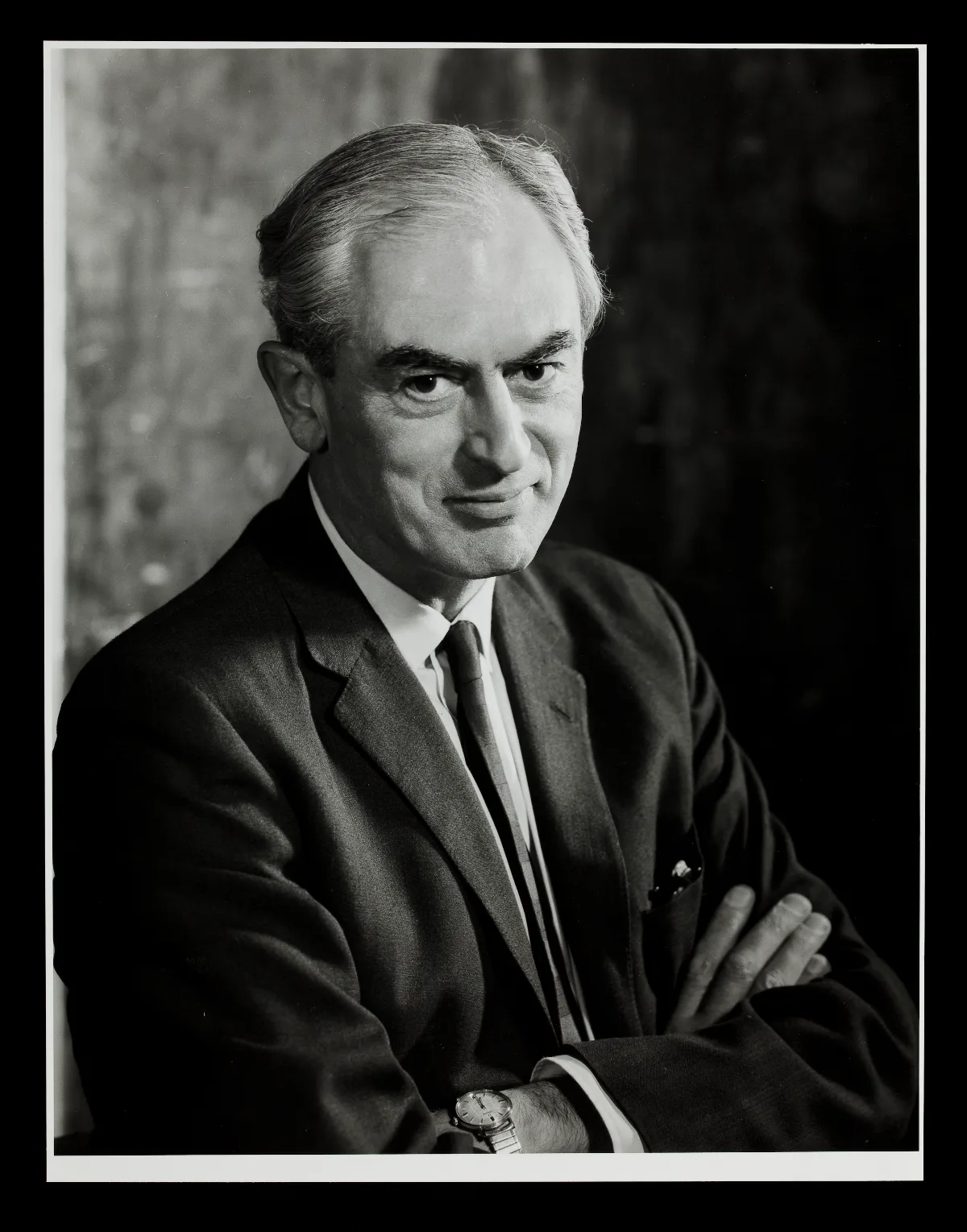
By the winter of 1967 the surgeons knew exactly which enemy they feared, and it was not the suture line. A heart could be sewn into a chest; Norman Shumway's dogs had been proving it for the better part of a decade. The danger lay afterwards, in the slow certainty that a body will read another's tissue as foreign and set about destroying it. Peter Medawar had given that certainty its modern grammar. Working with Rupert Billingham and Leslie Brent, he had shown in 1953 that the rejection of grafts was an immune act, learned rather than fixed, and that an animal exposed to foreign cells early enough could be taught to tolerate them for life.1 The work won him a Nobel Prize and earned him, fairly, the name of the father of transplantation. It also drew in plain ink the wall every transplant surgeon now ran into: the recipient's own immunity.
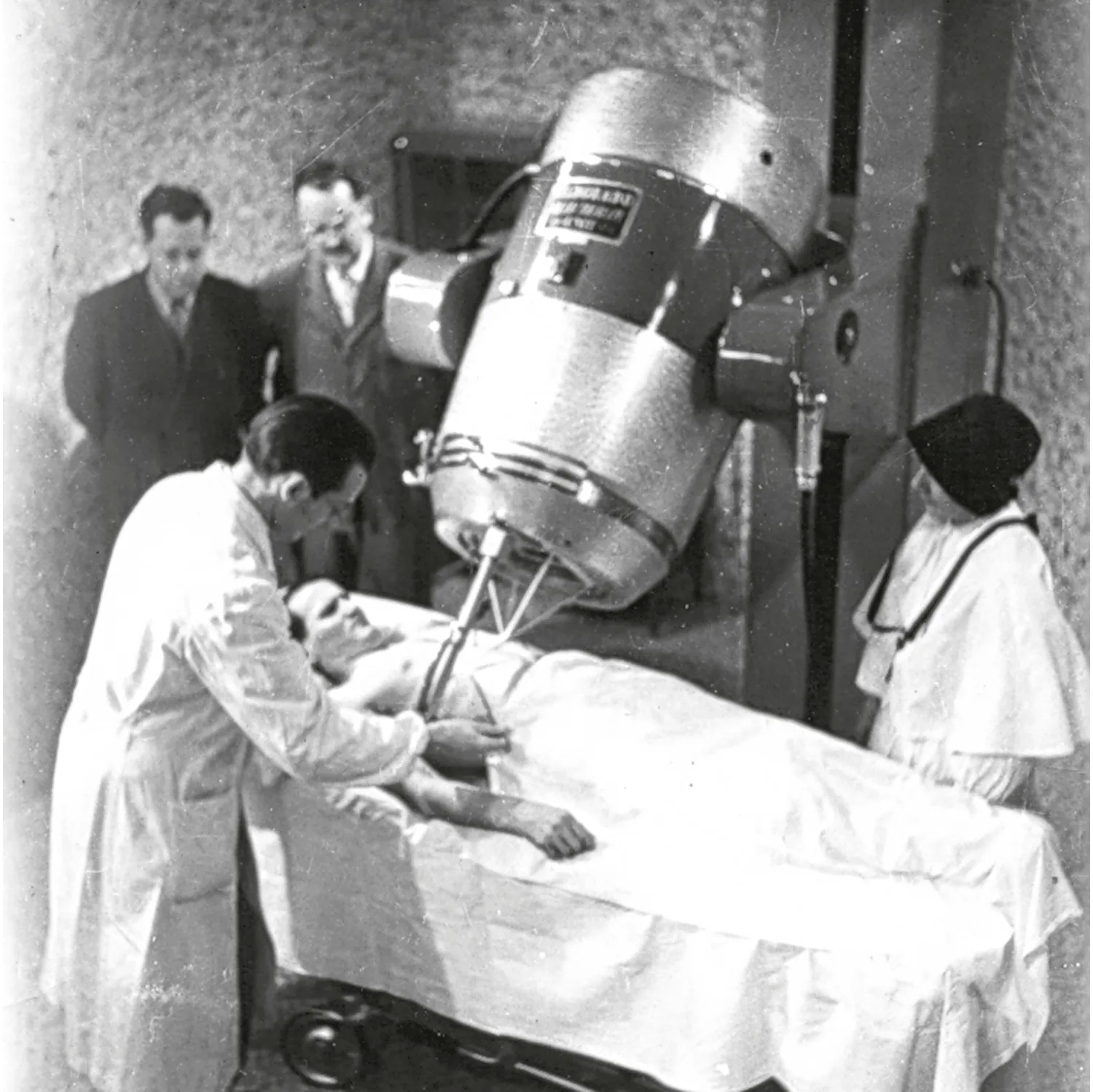
The tools for breaching that wall in a living patient were few and brutal. A surgeon in 1967 could blunt the immune response only by assaulting the whole of it at once. He had azathioprine, which crippled dividing cells; he had corticosteroids in heavy doses; he had ionising radiation, which could be aimed at the grafted organ to scatter the white cells gathering to reject it. Not one of these was selective. Each suppressed not the narrow treachery of rejection but the entire standing army a body keeps against infection. To save the graft, one disarmed the patient.
Barnard understood this better than his later critics allowed. Before Cape Town he had spent three months in Richmond, Virginia, attached to David Hume's kidney-transplant programme, learning how such patients were held in the narrow channel between rejection and collapse.2 He came home knowing the operation was the easy part.
A borrowed week
For a week it seemed the disarming might be survivable. Washkansky, a Lithuanian-born grocer of fifty-four whom diabetes and three coronary thromboses had reduced to a drowning man, woke from the operation transformed.3 For the first time in years his lungs were dry and his colour was good, because for the first time in years a sound heart was driving his circulation. His doctors watched, half in disbelief, the immediate verdict of a healthy heart placed in a man dying of heart failure: the swelling fell away, the breathlessness lifted, the wreck sat up and asked for food.4
He also asked for an audience, and the world supplied one. From his bed Washkansky gave interviews, waved at cameras, and told his wife Ann that he felt on top of the world. Four days after the operation a reporter was admitted to record a few words, kept back at the door with a sterilised microphone held towards the man whose immune defences were being stripped away by the hour.5 The papers christened the grocer the man with the heart of a young girl, and some of them recorded, or perhaps invented, his murmur that he had become the new Frankenstein.6 The vitality was real, and it was, in hindsight, partly borrowed against the days to come. The visitors and the talking wore him down, and his doctors, dazzled like everyone else, let the circus run longer than a sick man could afford.
A shadow on the film
The reckoning began near the twelfth day. Washkansky tired, lost his appetite, and then his chest film clouded with infiltrates that had not been there before.7 Here the whole story turns on a single act of reading, and the team read it wrong. The shadows were taken for the lungs' answer to rejection of the new heart, a reaction Hume had described and named transplant lung, which later work would discredit.8 Read that way, the infiltrates meant one thing only: the immune system was stirring against the graft, and the remedy was to suppress it harder. So the dose went up. More steroid, more irradiation of the heart, the patient's defences beaten further down at the precise moment the true danger was gathering.
It was not rejection. It was infection — a Pseudomonas pneumonia spreading through a chest that no longer had the means to resist it.9 The treatment and the disease were pulling the same way, and the treatment was the stronger of the two. Each increment of immunosuppression given to guard the heart cleared more ground for the organism filling the lungs.
The last organ to fail
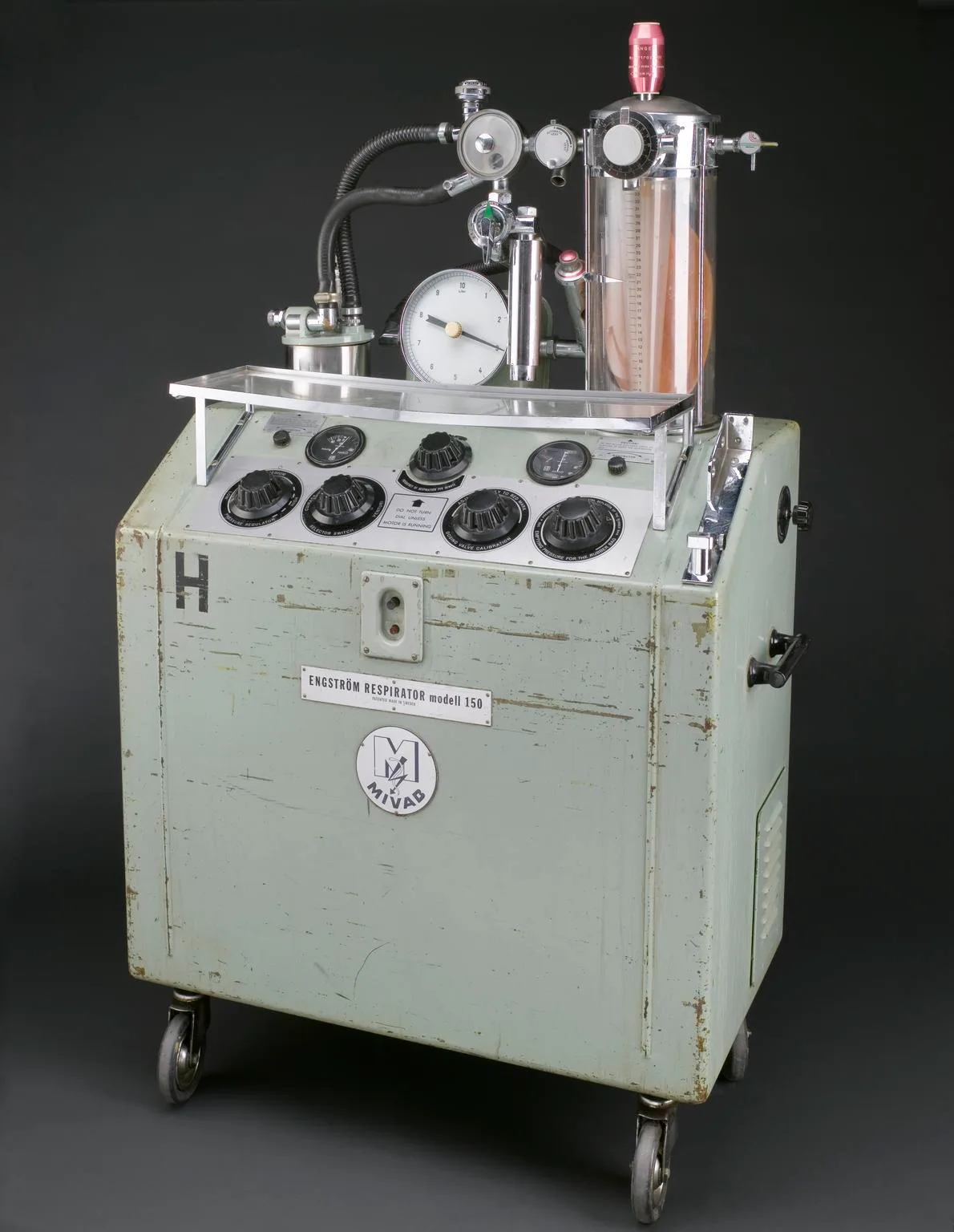
Washkansky was, in the language I would use now, an immunocompromised host, and a spectacularly defenceless one. He was diabetic, which dulls the response to infection on its own; he was loaded with corticosteroids, which dull it further; his new heart had been irradiated and his marrow chemically restrained. Almost every barrier a person keeps against bacteria had been lowered on purpose to keep his immunity off the heart. Pneumonia in such a man is less a complication than a near-certainty given time, and time was the one gift the long, public convalescence had handed it.
He died in the small hours of the twenty-first of December, eighteen days after the operation, of overwhelming infection.10 The autopsy, carried out at once by the pathologist James Thompson, settled the question the world would otherwise have argued for years. The transplanted heart showed no sign of rejection at all. It had beaten faultlessly to the end, the suture lines were perfect, and the cause of death was pneumonia and nothing else.11 Denise Darvall's heart, Barnard observed, had been the last organ in Washkansky's body to fail. The operation had succeeded. The patient had died of its aftercare.
The year of the transplant
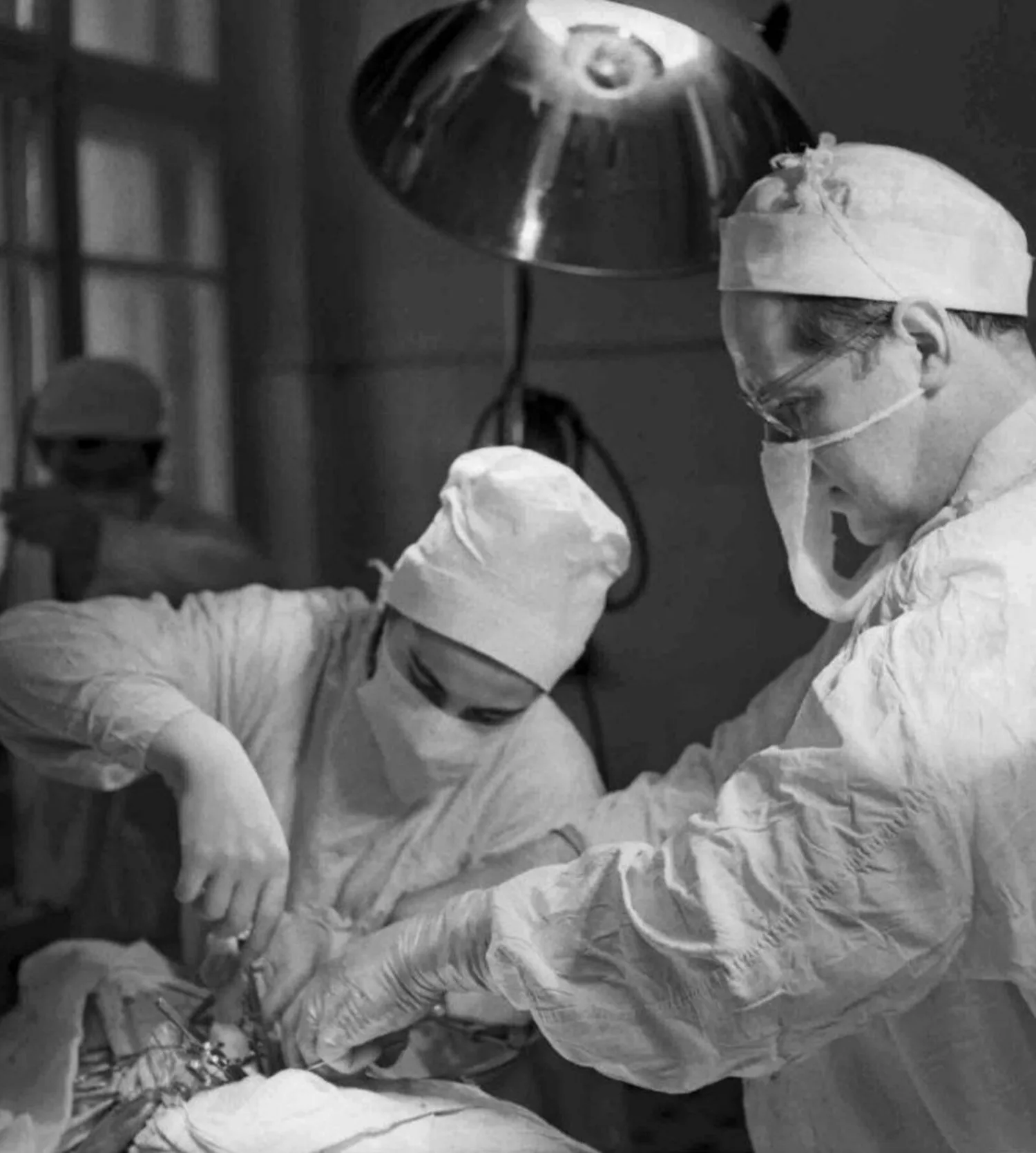
The world did not pause over the distinction. Within days Adrian Kantrowitz transplanted a heart in Brooklyn; in the first week of the new year Barnard had done his second and Shumway his first in America; within the year the operation had been repeated more than a hundred times, across more than a dozen countries.12 Almost none of the recipients lived. The same wall that had killed Washkansky killed them in their scores, by rejection where the immunosuppression was too light and by infection where it was too heavy, and the early survival figures were grim enough that by 1970 most centres had given the operation up.13 The thing had been shown possible and then, just as publicly, shown unsurvivable.
What rescued it was not a finer stitch but a better drug. In 1970 a Sandoz laboratory isolated a compound from a fungus in a Norwegian soil sample; by the end of the decade ciclosporin had been shown to suppress rejection far more selectively than the old chemical sledgehammers, sparing enough of the immune system that a patient could fight infection while the graft survived.14 With it, and with the heart biopsy that let rejection be caught before it raged, Shumway's group at Stanford pushed one-year survival past eighty per cent by the middle of the 1980s, and transplantation came back to the wards to stay.15 Barnard's own early results, it is only fair to say, were better than the carnage elsewhere; his first handful of patients averaged more than two hundred days, and Philip Blaiberg, his second, went home and lived nineteen months.16 But the lesson the world drew from Cape Town was written in those first eighteen days.
Read from the Ward
There is a patient I keep somewhere behind my eyes on the mornings I round on the immunosuppressed: not one person but a composite of many, a few weeks past a transplant, who spikes a fever before dawn. Everything I know contracts, in that moment, to a single question with no safe answer. Is the new organ being rejected, so that I must press the immune system down harder — or has something walked in through the door I have already propped open, so that pressing down will help to kill him? The wrong move in either direction is lethal, and the patient cannot tell me which one I face. I send the cultures and the films and I make, on incomplete evidence and against the clock, the very judgement that went wrong in Cape Town in December 1967.
Washkansky's eighteen days were the first full run of that dilemma, played out before anyone owned the instruments to win it. His doctors saw shadows on a lung and turned the immunosuppression up, because the danger they had been schooled to fear was rejection, and rejection was the reading that fit. They were not foolish. They were early. The tools they held could not tell immune attack from bacterial invasion, and the single lever they could reach pushed in only one direction. I have the luxuries they lacked: a drug that checks rejection without flattening the whole defence, a biopsy that reads the heart muscle directly, cultures that name the organism by morning. What I do not have is a way out of the underlying bind. The tightrope Washkansky's doctors fell from is the one I still walk; it has only been strung with a wider net.
That is the truer monument of the eighteen days. We remember the operation, and the operation was the part that worked. The thing that did not work, and that took the better part of thirty years and a fungus from a Norwegian field to make survivable, was the keeping of a human being whose immunity had been taken down to save his heart. Washkansky did not die because the transplant failed. He died because, for a few days in 1967, the only way to hold on to a heart was to lose the man — and learning to hold on to both has been the real history of transplantation ever since.
- R. E. Billingham, L. Brent, and P. B. Medawar, “Actively Acquired Tolerance of Foreign Cells,” Nature 172 (1953): 603–606. Medawar shared the 1960 Nobel Prize in Physiology or Medicine for the demonstration that transplant rejection is an acquired immune response and that tolerance to foreign tissue can be induced.↩
- D. K. C. Cooper, “Christiaan Barnard—The Surgeon Who Dared: The Story of the First Human-to-Human Heart Transplant,” Global Cardiology Science and Practice 2018, no. 2 (2018): e201811. Cooper records the three-month attachment to David Hume's transplant programme in Richmond, from which Barnard “learnt the principles of immunosuppressive therapy in patients with organ grafts.”↩
- C. N. Barnard, “A Human Cardiac Transplant: An Interim Report of a Successful Operation Performed at Groote Schuur Hospital, Cape Town,” South African Medical Journal 41 (1967): 1271. Barnard gives the recipient's age as fifty-four; popular accounts vary between fifty-three and fifty-five owing to an uncertain birth year. The diabetes and the three prior coronary thromboses are set down in the same report.↩
- Barnard recalled that “Mr. Washkansky's immediate recovery was excellent” and that the team could, for the first time, watch a healthy heart restore a man who had been in severe heart failure; see Cooper, “The Surgeon Who Dared.” The “on top of the world” remark to his wife is recorded across contemporary accounts of the case.↩
- The sterilised microphone held at the door, and the press nickname “the man with the heart of a young girl,” are documented in the contemporary broadcast and newspaper coverage of Washkansky's convalescence, December 1967.↩
- The “new Frankenstein” remark was reported in the British press in the week after the operation (e.g., The Sun, 7 December 1967); its attribution is uncertain, and some accounts assign the line to Barnard rather than to the patient.↩
- Barnard, “A Human Cardiac Transplant,” 1273–74, on the post-operative immunosuppressive regimen: azathioprine, hydrocortisone and prednisone, with local cobalt irradiation of the graft (Barnard specifies a one-curie cobalt source) and a three-day course of actinomycin C. The deterioration and pulmonary infiltrates from about the twelfth day are described in Cooper, “The Surgeon Who Dared.”↩
- Cooper, “The Surgeon Who Dared.” The infiltrates “were erroneously believed to be a result of a condition David Hume had described as ‘transplant lung’, a reaction in the lungs in response to rejection in the transplanted organ (that was later disproved),” and Barnard accordingly increased the immunosuppression.↩
- On the Pseudomonas pneumonia and the misdirection of treatment, see Cooper, “The Surgeon Who Dared,” and the Groote Schuur clinical record. The increase in immunosuppression compounded the infection it was mistaken for rejection.↩
- Cooper, “The Surgeon Who Dared.” Washkansky died in the early hours of Thursday, 21 December 1967, eighteen days after the operation. The autopsy by the professor of pathology James Thompson found no features of rejection, confirmed death from pneumonia, and judged the operation faultlessly performed; Barnard noted that the donor heart was “the last organ to fail.”↩
- Cooper, “The Surgeon Who Dared,” on Thompson's post-mortem findings of intact suture lines and an unrejected graft.↩
- Adrian Kantrowitz transplanted an infant's heart in Brooklyn on 6 December 1967, three days after Cape Town; Shumway performed the first adult heart transplant in the United States on 6 January 1968. More than a hundred transplants followed worldwide within the year. See Cooper, “The Surgeon Who Dared,” and M. F. D. M. Javier et al., “Evolution of Heart Transplantation since Barnard’s First,” Cardiovascular Diagnosis and Therapy 11, no. 1 (2021): 171–82.↩
- Javier et al., “Evolution of Heart Transplantation.” The dismal early survival led most centres to abandon heart transplantation by 1970, in what amounted to a near-worldwide moratorium until the early 1980s.↩
- Javier et al., “Evolution of Heart Transplantation.” Sandoz Laboratories isolated the fungus Tolypocladium inflatum from a Norwegian soil sample in 1970 and developed ciclosporin, first used in experimental heart transplantation in 1978 (R. Y. Calne and colleagues).↩
- Javier et al., “Evolution of Heart Transplantation.” With ciclosporin and the percutaneous endomyocardial biopsy (developed by Caves and Billingham in 1973), Baldwin and Shumway reported one-year survival exceeding eighty per cent by 1985.↩
- Cooper, “The Surgeon Who Dared.” Philip Blaiberg was discharged on the seventy-fourth post-operative day and lived almost nineteen months, dying of graft atherosclerosis (chronic rejection); Barnard's first four patients averaged more than two hundred days, well above the global experience of the time.↩
- Chicago
Kim, D. Y. “Eighteen Days.” Codex Chronica, June 26, 2026. https://codexchronica.com/eighteen-days/.
- APA
Kim, D. Y. (2026, June 26). Eighteen Days. Codex Chronica. https://codexchronica.com/eighteen-days/
- Barnard, Christiaan N. “A Human Cardiac Transplant: An Interim Report of a Successful Operation Performed at Groote Schuur Hospital, Cape Town.” South African Medical Journal 41 (1967): 1271–74.
- Billingham, R. E., L. Brent, and P. B. Medawar. “Actively Acquired Tolerance of Foreign Cells.” Nature 172 (1953): 603–606.
- Cooper, David K. C. “Christiaan Barnard—The Surgeon Who Dared: The Story of the First Human-to-Human Heart Transplant.” Global Cardiology Science and Practice 2018, no. 2 (2018): e201811.
- Javier, Maria Florian Dela Merced, Enrique Manuel Javier Delmo, and Roland Hetzer. “Evolution of Heart Transplantation since Barnard’s First.” Cardiovascular Diagnosis and Therapy 11, no. 1 (2021): 171–82.